Behind the Digital Curtain: How Women Entrepreneurs Build Success with Adobe Acrobat

This October, in honor of Women's Small Business Month, it's essential to acknowledge the cutting-edge tools that enable women entrepreneurs to optimize their workflows and fuel growth. Adobe Acrobat provides a robust set of features aimed at boosting efficiency, simplifying document management, enhancing team collaboration, and streamlining crucial business processes. For women entrepreneurs eager to save time and concentrate on expanding their businesses, these solutions can be transformative in the fast-paced landscape of entrepreneurship.


Acrobat AI Assistant: With Acrobat AI Assistant, this option empowers entrepreneurs with smart document tools designed to boost efficiency and clarity. Its ability to generate summaries instantly highlights the most critical points of any document, turning dense information into actionable insights. Plus, by answering user questions directly, it streamlines decision-making and optimizes daily workflows, helping small business owners stay focused on growth and innovation.


Edit: Adobe Acrobat's Edit tool allows entrepreneurs to modify text and images directly within PDFs, ensuring quick adjustments without losing formatting. It offers a practical solution for small business owners who often need to update contracts, proposals, or marketing materials. This feature keeps document editing seamless, saving time and enhancing professionalism.


Share Feedback: Share Feedback in Adobe Acrobat fosters collaboration by allowing team members, clients, or stakeholders to provide input on documents in real time. Entrepreneurs benefit from this feature by streamlining communication and consolidating feedback from multiple sources. It’s a valuable tool for refining proposals or product documents to align with client expectations.


Request e-signatures: The Request e-signatures feature accelerates the signing process for entrepreneurs who need to finalize agreements quickly and securely. It enables business owners to send, track, and manage digital signatures, ensuring contracts are legally binding and efficient. This tool reduces the need for manual paperwork, helping entrepreneurs close deals faster and keep their businesses moving forward.


At Bon Bon Bon, founder and chocolatier Alexandra Clark and her team have leveraged the diverse suite of tools Adobe Acrobat offers to elevate their business operations and drive success.

“I feel like Adobe Acrobat was part of Bon Bon Bon's business glow up. We're using it across the entire business. Everything from accounting, HR operations, admin, all the ways to the hyper-creative flavor development, visual, social media, marketing world. We're using it everywhere."

Forward-thinking tools like Adobe Acrobat play a crucial role in the success of small women-owned businesses. By optimizing workflows and boosting productivity across various aspects of operations, these tools give entrepreneurs the freedom to concentrate on what matters most—expanding their businesses and making a difference. Whether it's simplifying administrative duties or crafting dynamic marketing strategies, Adobe Acrobat is worth a look to support every step of the journey.
Contact Information
Building Customer Loyalty in the Subscription Era: How Businesses Can Keep Members Engaged and Renewing

For many businesses in Estero and beyond, recurring revenue models are becoming the new norm. But while subscriptions bring stability, they also demand consistent performance — because customers are no longer locked in. They can cancel anytime, often with a single tap. The challenge for local businesses is clear: how do you build loyalty when every month is a re-election?

TL;DR

To keep customers loyal in the subscription era:

  1. Deliver consistent value they can see and feel.
     

  2. Offer personalized experiences that make members feel understood.
     

  3. Ensure renewals are friction-free — no confusion, no paperwork, no surprises.
     

Businesses that master these three areas turn subscriptions into lasting relationships.

The Loyalty Equation: Value × Experience × Ease

When subscribers don’t perceive ongoing value, or when renewals feel like a chore, churn follows fast. Sustainable loyalty comes from aligning what customers receive with how easily and pleasantly they receive it.

Loyalty Factor

Why It Matters

Local Example

Consistent Value

Members stay only when benefits outweigh costs

A gym offering free quarterly wellness checks keeps members invested

Personalization

Custom touches deepen emotional connection

A meal kit service tailoring menus to dietary goals

Seamless Renewal

Low-friction processes prevent “cancel fatigue”

An insurance plan that auto-renews with transparent update emails

Checklist: How to Keep Subscribers Loyal

        uncheckedReinforce value monthly. Send digest-style updates showing savings, milestones, or usage stats.

        uncheckedOffer personalized perks. Birthday discounts or curated recommendations go far.

        uncheckedEliminate friction. Make upgrading or renewing one click, not five.

        uncheckedMeasure engagement, not just renewals. Track logins, open rates, or feature use.

        uncheckedAct on signals. Reach out before customers disengage — don’t wait for cancellations.


The Human Touch Still Wins

Digital convenience alone doesn’t sustain loyalty — relationships do. Small gestures, such as handwritten thank-you notes or proactive customer check-ins, reinforce that real people stand behind the brand. For example, local cafés in Lee County that text regular customers when seasonal blends return often see increased visits and subscription reactivations.

If you’re using digital touchpoints, platforms like HubSpot, Klaviyo, or Mailchimp can automate personalization without losing warmth.

Simplifying Renewals with Smart Technology

Managing renewals can be stressful for both staff and members. That’s where secure digital signing platforms can remove friction. Businesses can use verified online contract tools to streamline upgrades or renewals, minimizing paperwork and delays — while keeping compliance airtight. For example, a local co-working space could let members renew their monthly access or upgrade to private offices with just an emailed link instead of requiring in-person signatures.

If you’re exploring this approach, this is a good option. It allows teams to handle renewals, approvals, and upgrades securely and quickly, improving satisfaction and retention.

FAQ: Loyalty in the Subscription Era

Q: How often should I communicate with subscribers?
A: At least once a month, even if it’s just a value summary. Transparency builds trust.

Q: What’s the biggest loyalty killer?
A: Inconsistency — delivering less value or slower service after sign-up is a silent churn trigger.

Q: Is offering discounts the best way to retain members?
A: Not always. Personalized value (exclusive access, early previews) often outperforms blanket discounts.

Q: Should renewals be automatic or manual?
A: Automatic renewals work best if paired with transparent reminders and easy opt-outs.

Resource Roundup: Tools That Can Help

  • SurveyMonkey for gathering member feedback.
     

  • Monday.com for tracking loyalty program operations.
     

  • Google Analytics to monitor subscription engagement.
     

  • Hotjar for tracking user behavior on renewal pages.
     

  • Typeform for interactive retention surveys.
     

Spotlight: A Tool Worth Exploring

Local business owners who offer repeat services — from cleaning companies to coaching programs — might benefit from Calendly. It reduces friction by allowing recurring clients to manage sessions automatically, helping businesses maintain predictable engagement without back-and-forth scheduling.

Closing Thoughts

Customer loyalty in the subscription era isn’t about luck — it’s about design. When you combine steady value, personalized care, and smooth renewals, you build a system where staying subscribed feels like the easiest and most rewarding choice.

Estero businesses that get this right won’t just keep members — they’ll create advocates who renew without hesitation and recommend without being asked.

 
Contact Information
How to Maintain Healthy Cash Flow and Grow Your Small Business

Managing cash flow is one of the most important — and often most challenging — parts of running a small business. Even profitable companies can face liquidity crises if inflows and outflows aren’t properly timed or tracked. In this guide, we’ll cover the most reliable, real-world strategies for improving financial stability and setting your business up for sustainable growth.


TL;DR

  • Keep your cash flow visible — use digital dashboards or accounting tools.
     

  • Prioritize consistent invoicing and follow-up practices.
     

  • Negotiate favorable payment terms with vendors.
     

  • Build a cash reserve to weather slow months.
     

  • Track performance metrics monthly to identify early warning signs.


Why Cash Flow Matters

Cash flow isn’t just about having money in the bank; it’s about ensuring liquidity to cover payroll, rent, and operations while you wait for receivables. A strong cash position gives you flexibility — you can reinvest, negotiate better supplier deals, and avoid short-term debt traps. In short: cash flow is the lifeblood of business resilience.


🧭 Core Strategies for Healthy Cash Flow

1. Streamline Accounts Receivable

  • Send invoices immediately after work is complete.
     

  • Offer digital payment options to shorten turnaround times.
     

  • Use polite yet firm follow-up reminders for overdue invoices.

2. Manage Accounts Payable Wisely

  • Negotiate longer payment windows where possible.
     

  • Set automatic reminders for due dates to avoid penalties.
     

  • Take advantage of early-payment discounts only if it doesn’t strain your cash position.

3. Forecast Your Cash Flow

Create a rolling 12-month forecast that projects:

  • Expected inflows from customers
     

  • Fixed and variable expenses
     

  • Seasonal highs and lows

Forecasting helps you spot potential shortfalls before they occur and plan accordingly.

4. Separate Business and Personal Finances

This might seem basic, but many owners still blur the lines. Maintaining dedicated accounts improves bookkeeping accuracy, simplifies tax preparation, and helps track true business performance.

5. Build a Contingency Fund

Aim to reserve at least two to three months’ operating expenses. Unexpected costs — from equipment failures to delayed client payments — will inevitably arise.


πŸ“‹ Small Business Cash Flow Checklist
 

Action

Frequency

Tool/Method

Review bank balance & pending payments

Weekly

Banking app or dashboard

Update cash flow forecast

Monthly

Spreadsheet or accounting software

Follow up on late invoices

Weekly

Automated reminders

Reconcile accounts

Monthly

Accounting software

Review vendor contracts

Quarterly

Contract management tool


πŸ’‘ How-To: Set Up a Cash Flow Management Routine

  1. Start with clarity: Document all your recurring income and expenses.
     

  2. Pick a system: Use software like QuickBooks, Xero, or Wave to automate categorization.
     

  3. Create a review cadence: Spend 30 minutes weekly reconciling transactions.
     

  4. Implement alerts: Most accounting apps can notify you if your cash balance drops below a set threshold.
     

  5. Schedule time for strategy: Once a month, analyze patterns — where money comes from and where it leaks out.


πŸ“„ Invoicing: The Foundation of Cash Flow Stability

Consistent invoicing practices are one of the simplest ways to maintain predictable cash flow. Well-structured invoices clarify payment terms, reduce disputes, and help owners track what’s owed. They also communicate professionalism and reliability — both of which speed up client payments.

A clear invoice should include:

  • Your business name and contact information
     

  • A detailed breakdown of goods or services
     

  • Payment due date and accepted payment methods
     

  • Late-payment policy (if applicable)

For a deeper look at what to include in a professional invoice and why format matters, see this for more info.


πŸ” Quick Wins to Improve Liquidity

  • Invoice faster: The sooner you bill, the sooner you get paid.
     

  • Automate reminders: Eliminate manual follow-ups.
     

  • Analyze customer payment habits: Identify which clients pay late and adjust terms.
     

  • Cut unnecessary subscriptions: Review recurring software or service expenses.
     

  • Renegotiate contracts: Suppliers often offer better terms to long-term partners.


πŸ“˜ Supporting Tools & Resources

To diversify your toolset, consider:

Each provides different strengths — from automation and forecasting to human support — but all share one goal: keeping you cash-flow positive.


❓ FAQ: Common Cash Flow Questions

How much cash should I keep on hand?
Aim for two to three months of operating expenses as a buffer.

What’s the difference between profit and cash flow?
Profit measures financial performance; cash flow measures liquidity. You can be profitable yet still run out of cash if payments are delayed.

How do I handle seasonal fluctuations?
Use forecasts to prepare for lean periods, and save extra during high-revenue months.

Should I offer early-payment discounts?
Yes — if your margin allows it. A 1–2% discount for payment within 10 days can accelerate inflows without hurting profitability.

What’s the best way to prevent late payments?
Clear terms and automated reminders work better than ad hoc outreach.


πŸ“Š Cash Flow Strategy Table: Problem–Solution–Result
 

Problem

Solution

Result

Late client payments

Send invoices immediately; automate follow-ups

Improved consistency of inflows

Irregular spending

Use cash flow dashboards

Real-time visibility and control

Seasonal downturns

Build a cash reserve and plan ahead

Stable operations year-round

Vendor strain

Negotiate flexible terms

Improved supplier relationships

Lack of forecasting

Use accounting tools to project trends

Data-driven decision making


🧩 Glossary

  • Cash Flow: The net amount of cash moving in and out of your business during a set period.

  • Liquidity: Your ability to meet short-term financial obligations.

  • Accounts Receivable (AR): Money owed to your business.

  • Accounts Payable (AP): Money your business owes to others.

  • Working Capital: The difference between current assets and liabilities — an indicator of operational efficiency.

  • Forecasting: Projecting future cash inflows and outflows based on historical trends.

  • Operating Margin: The portion of revenue left after covering operating costs.


🧠 Automating Payments for Growth

Automation isn’t just about saving time — it’s about accuracy and scalability. Tools like Stripe Billing or Square Invoices let you accept payments online, track them in real time, and automatically send reminders. This reduces the manual workload while accelerating cash turnover.


βœ… Conclusion

Healthy cash flow doesn’t happen by accident — it’s engineered. By creating clear systems for invoicing, forecasting, and expense management, you build resilience into your business model. Think of cash flow as both a mirror and a motor: it reflects how your business runs today and fuels how far it can go tomorrow.

Consistent habits — weekly reviews, structured invoices, automated tools — transform cash flow from a stress point into a strategic advantage.


Discover the vibrant business opportunities in Southwest Florida by joining the Greater Estero Chamber of Commerce and unlock the potential for dynamic economic growth!
Contact Information
How to Make Every Customer Feel Like They Belong in Your Business

People don’t return to places where they feel invisible. If your small business wants to do more than survive, you need to signal — with clarity, not platitudes — that everyone’s presence matters. That doesn't mean chasing every trend or appeasing every demographic; it means removing friction and amplifying signals of genuine welcome. Whether it’s how someone is greeted, the way your website works, or the vibe in your storefront, people notice what’s been made easier for them — and what hasn’t. Being welcoming isn’t a brand strategy, it’s an operational principle. And the businesses that get this right don’t just grow their customer base — they grow deeper roots with their community.

Inclusivity Starts With Your Staff

Customers don’t just encounter your business through ads or signage — they meet it through your people. That first interaction often sets the tone for whether someone feels like they belong or like they’re a problem to be managed. Teams that are aware of cultural cues, body language norms, and communication preferences tend to create more relaxed, human environments. That doesn’t require corporate-level DEI teams — it starts with intentional hiring, clear expectations, and internal modeling. One way to shift this from theory into practice is to support broadened employee cultural awareness. Hospitality can be trained — but only if you take it seriously enough to prioritize.

Let Technology Do Some Heavy Lifting

You don’t need to be fluent in five languages to make someone feel seen. Simple tools now exist that can automatically translate your business’s spoken content into multiple languages, making onboarding videos, welcome messages, and how-to content more usable for non-English speakers. Imagine a customer clicking on your “About Us” video and hearing it in their native tongue — no app downloads, no awkward subtitles. This isn’t about replacing personal interaction; it’s about lowering the barrier to entry so your human moments can land with more impact. If your business serves a multilingual or multicultural audience, this could be helpful. Accessibility isn’t just physical — it’s auditory and emotional too.

Inclusion Isn’t Vibes — It’s Policy

There’s a myth that small businesses can run on “good vibes” alone — as if friendliness is enough to make people feel safe and seen. But without written policies and leadership follow-through, friendliness becomes inconsistent, and inconsistency breeds mistrust. Customers with disabilities, LGBTQ+ folks, non-native speakers, and others often notice micro-barriers that get ignored in less thoughtful environments. A written plan to support accessibility, communication needs, and respectful service shouldn’t be an afterthought — it’s a credibility baseline. Businesses that create a policy that ensures belonging are better equipped to respond to feedback and course-correct when they get it wrong. And they usually get it wrong less often to begin with.

Accessibility Enhances Market and Morale

Making your business more accessible doesn’t just help people with mobility challenges — it improves the experience for everyone. A well-placed bench helps the elderly and the overworked parent alike. Easy-to-navigate websites and clearly labeled signage make life better for people who don’t have time to guess what your business wants from them. When employees see that their company cares about removing friction, they tend to mirror that mindset in their own behavior. There’s both moral and market value in improving usability for all customers. It’s not just the right thing to do — it’s the smarter thing.

Diversity Isn’t Optics — It’s Infrastructure

It’s not enough to assemble a photo collage of smiling faces and call it inclusion. Customers feel the difference between surface diversity and embedded respect. When your internal team brings diverse life experiences to the table — whether in terms of race, ability, gender, background, or worldview — your business becomes more adaptive. Diverse businesses recover faster from mistakes because their feedback loops are stronger. That’s not a slogan; diverse teams drive stronger decision making, and the data backs that up. If your internal systems can only process one way of working, you’re not ready for a broader audience.

Training Makes It Real

No one is born knowing how to serve every kind of customer. The idea that you can simply “treat everyone the same” sounds good in theory but usually leads to missed signals and awkward recoveries. Training doesn’t have to be expensive, but it does need to be regular, reflective, and real. Encourage your team to learn about lived experiences they may not share — not out of guilt, but out of curiosity and respect. Businesses that invest in cultural awareness workshops tend to see improvements in both customer satisfaction and staff morale. When people feel like they’re growing, they show up better — for each other and for your clients.

Making your small business more welcoming isn’t about performing inclusivity — it’s about operationalizing it. That means making real adjustments to how you hire, train, communicate, and show up. It’s not always comfortable, and it’s never finished. But when people walk into your space — physical or digital — and immediately feel considered, you earn trust you can’t buy. Inclusion is no longer a nice-to-have; it’s a growth engine, a loyalty magnet, and a resilience strategy. Start with what’s in your control, and build from there — people will feel the difference.
 

Discover the business community of Estero and unlock dynamic economic growth by joining the Greater Estero Chamber of Commerce today!
Contact Information
What Your Storefront Isn’t Saying (But Should Be)

There’s no polite way to say this: most storefronts are forgettable. In cities, towns, and strip malls across the country, you’ll find windows that look like someone gave up halfway through trying. But here’s the truth every small business owner needs to hear—passersby don’t owe anyone their attention. The storefront has to earn it.

Start With a Feeling, Not a Sale

Shoppers don’t stop because you’ve marked something 20% off; they stop because something made them feel. A good display doesn’t begin with inventory—it begins with a mood. Before propping up your bestsellers, consider what you want someone to experience in the few seconds it takes to walk by: warmth, curiosity, nostalgia, even delight. The most effective windows are designed to make people pause, not necessarily to push product. That pause is the invitation. And once they’re in the door, that’s when the real selling can begin.

Mock It Up Before You Make It Real

Visual mockups once required expensive software and a steep learning curve, but generative AI tools have rewritten the rules. Now, you can draft signage, test out color palettes, map out product displays, or even reimagine your entire space—no formal training required. This is a good option for shop owners who know what they want but haven’t had the tools to visualize it until now. Just type in what you’re imagining, and the platform will generate design options you can tweak, test, and eventually bring to life.

Build for the Eye, Not the Aisle

The window is not an aisle; it’s not a shelf. Treating it like one—overloading it with stock—tells people everything and nothing at once. Visual tension, layers, and clean space draw the eye far better than a lineup of neatly stacked items. Aim for composition, not clutter. Think of your window as a magazine cover. The best covers don’t show every story inside, just the one compelling headline that pulls you in. Same principle applies here. Give your audience one strong visual idea. That’s enough.

Let the Street Set the Stage

A storefront doesn’t exist in a vacuum. It exists in a specific place, on a specific block, surrounded by a specific community. Too many displays look like they could belong anywhere, and as a result, mean nothing. Paying attention to what’s around you—the architecture, the foot traffic, the time of day light hits your window—can give you cues on how to design something that belongs. Local references or inside jokes can catch a regular walker’s eye. And when your window looks like it actually belongs to the neighborhood, people will start to treat it like a neighbor.

Change Often, Even When It’s Not Perfect

There’s a common trap: creating one great window and leaving it for months. But nothing turns eyes away faster than a display that’s frozen in time. Freshness, not perfection, keeps people curious. Rotate themes, rearrange props, swap in seasonal colors—not because your products need it, but because your audience does. Even small changes suggest life, and life draws attention. A perfect window from three months ago won’t perform half as well as a decent one from last week. Relevance always beats refinement.

Tell a Story, Not a Catalog

A successful storefront tells a tiny, self-contained story. It’s less about showcasing everything and more about offering a moment. A bakery window, for instance, could suggest a morning ritual—a steaming coffee mug, an open newspaper, a pastry with one bite missing. A bookstore could stage a quiet reading nook, not just piles of paperbacks. When someone sees a story they relate to, they imagine themselves inside it. That imagined moment is what pulls them through the door. You're not just selling things—you're selling scenes.

Add One Unnecessary Element

Here’s an underrated trick: include one thing that makes no sense. A disco ball in a plant store. A mannequin in a diving suit holding a bouquet. Something that stops someone in their tracks—not because it’s functional, but because it’s strange. That sliver of absurdity, used sparingly, becomes the hook. It doesn’t have to match your merchandise. In fact, it’s often better if it doesn’t. It works because it interrupts the pattern of predictability. And in the age of content overload, interruption is a secret weapon.

A storefront is an invitation, and like any good invitation, it should give people a reason to show up. It should whisper, not shout. It should intrigue, not overwhelm. Most importantly, it should feel like someone cares—about the space, the products, and the people on the sidewalk. When a display gets that right, it doesn’t just draw eyes. It builds relationships. And for small business owners, that kind of connection is worth more than any sale.


Discover the business community of Estero and unlock dynamic economic growth by joining the Estero Chamber of Commerce. Connect, learn, and thrive with us today!
Contact Information
The CTA, BOI and FinCEN: What Does this Mean for Estero, FL Businesses?


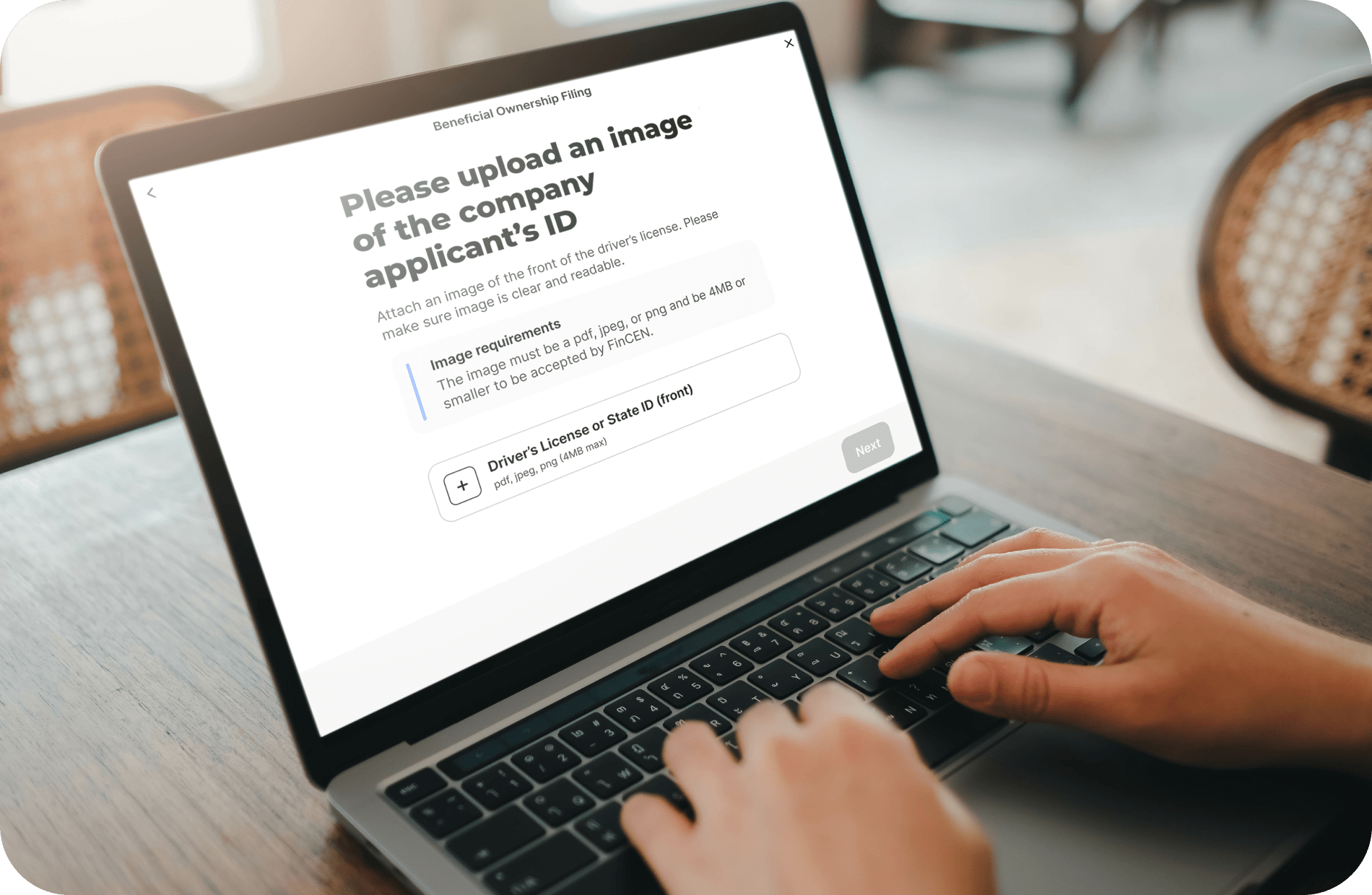
The Corporate Transparency Act may require certain U.S. companies to disclose beneficial ownership information to FinCEN to combat financial crimes.

While a Texas federal district court’s preliminary injunction puts this requirement on hold, many experts expect that to be overturned. In that event, failure to file could lead to fines of $500 per day, up to a maximum of $10,000, and possible criminal penalties.

Read more for details on how this may impact your business in the future.

1. Determine if Your Business Must File.

A “reporting company” is any small business, corporation, or LLC that is registered with the state, unless exempt. Exemptions apply to publicly traded companies, banks, and charities. For example, a local restaurant in Estero, FL would likely need to file a BOI report.

2. Identify Your Beneficial Owners.

A “beneficial owner” is someone who either has substantial control over a company or owns at least 25% of it. For instance, in the context of a music store in Estero, a managing partner who owns 40% of the store and makes key operational decisions is considered a beneficial owner.

3. Gather the Required Information.

Prepare:

  • Business name, address, and EIN.

  • Beneficial owners’ names, addresses, DOBs, and ID details.

4. File Your BOI Report.

Deadlines:

  • Existing businesses: File by 01/01/2025.

  • New companies (2024): File within 90 days of formation.

  • New companies (2025+): File within 30 days of formation.

ZenBusiness offers guidance and tools for BOI reporting. We’ve created a streamlined BOI filing process to help businesses comply with FinCEN requirements efficiently.

Penalties for Non-Compliance:

While a Texas federal district court’s preliminary injunction puts this requirement on hold, many experts expect that to be overturned. In that event, failure to file could lead to fines of $500 per day, up to a maximum of $10,000, and possible criminal penalties. FinCEN provides a 90-day safe harbor period for corrections without penalties.

No action is needed immediately, but if you decide to move forward, you can avoid hassles by filing with the quick and accurate assistance of ZenBusiness.

Additional Resources:

We want to hear from you!

Join us in making an impact! Complete our BOI survey by December 18, 2024, and for every 25 responses, our Chamber will receive a $100 donation. Take the survey here! We value your contribution!

As of December 3, 2024, a Texas federal district court has issued a preliminary injunction for all states to block the CTA and its relevant regulations. However, filing your BOI will help you avoid fines if this injunction is overruled.

 
Contact Information
phone: (512) 765-4985
Estero Chamber of Commerce - FL